


On 17. June 2026 an exhibition “Between Wind and Sea – Saaremaa in Kaamos art collection” will be opened at Kuressaare Castle
Saaremaa has been a recurring subject in Estonian art since the 19th century, but it was Konrad Mägi who first explored the island systematically through painting. During the summers of 1913 and 1914, he worked on Vilsandi Island and in Kihelkonna, capturing landscapes that would become landmarks of Estonian art. A new wave of interest followed some twenty years later, when artists such as Johannes Võerahansu and Eerik Haamer began working on the island. By the late 1930s, it was written of art that “Saaremaa has, after all, recently become a great fashion.”
This fascination continued after the Second World War. Summer painting camps brought generations of art students to the island, while many established artists spent their summers here, purchased countryside homes, or visited friends. Notably, relatively few of the artists who depicted Saaremaa were native islanders.
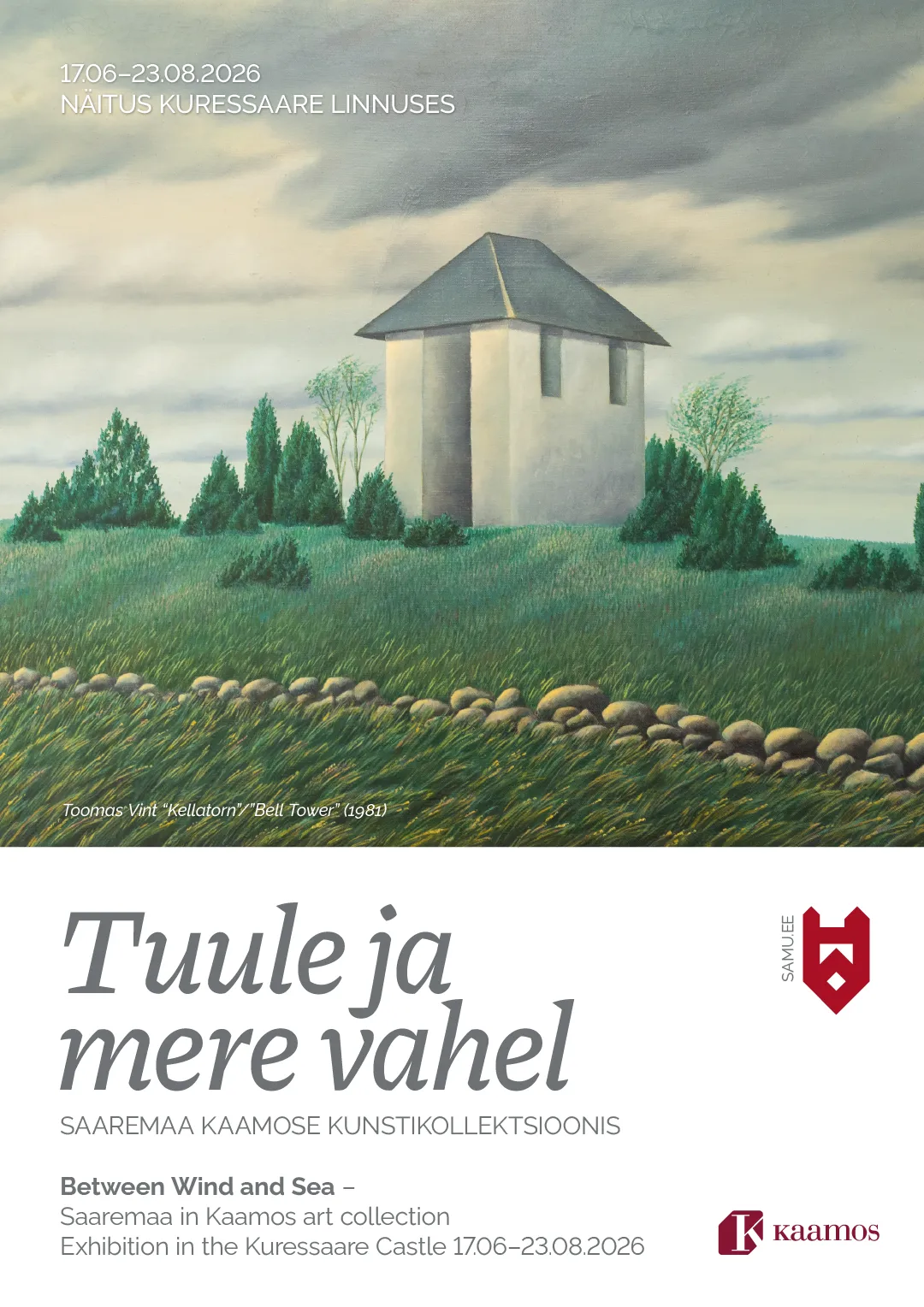
As a result, Saaremaa was often viewed through the eyes of an outsider. Artists were drawn to its traditional architecture, fishing communities, and landscapes that seemed both rugged and timeless. Their works presented the island as a refuge from modern life, a place where the past remained visible. During the Soviet period, such imagery also carried a deeper significance. By portraying traditional ways of life and local cultural heritage, artists helped sustain a sense of Estonian identity under conditions of occupation, connecting viewers to the country’s history, landscape, and collective memory.
By the early 1960s, critics frequently remarked on the remarkable number of artists working on the islands. As was once observed: “Saaremaa, Muhu and Hiiumaa have recently become the most visited places among our artists. The vigorous rhythm of contemporary life on the islands, the fishermen building a new life, the harsh poetry of the local nature and the old buildings — surely all these elements contain a charm that has repeatedly inspired artists…”
A new perspective emerged with the work of Peeter Mudist, who owned a summer home in western Saaremaa and spent long periods on the island. Rather than approaching Saaremaa as an ethnographic curiosity, Mudist sought something more universal and existential. In the island’s sparse landscapes and understated beauty, he searched for essential truths and a sense of authenticity stripped of ornament and idealisation.
Since the 1980s, artists have tended to depict Saaremaa in more personal and diverse ways. Regional identity has become less central, giving way to broader artistic concerns and individual interpretations.

The Kaamos Art Collection belongs to Kaamos Group. The company was founded by Kaido Jõeleht, who is from Saaremaa, and is owned by the Jõeleht family.